 how-to
How to Insure 5 Acres in Michigan: A Step-by-Step Guide
Table of Contents
- Understanding Your Property: Acreage, Zoning, and Land Use
- Homeowners Insurance for Acreage: What You Need to Know
- Farm Insurance vs. Homeowners Insurance: Which Fits Your Property
- Coverage Types for Your 5-Acre Property
- Vacant Land Insurance: When You Need Additional Protection
- Step-by-Step: Preparing for Your Insurance Quote
- Common Coverage Gaps and Exclusions for Acreage
- Getting Started: Your Next Steps
- Frequently Asked Questions
Last Updated: October 7, 2026
Understanding Your Property: Acreage, Zoning, and Land Use
Before you contact an insurance agent about how to insure 5 acres in Michigan, you need to understand what you actually own. The size of your land, how it's zoned, and what you use it for all determine which insurance products will work for you.
Acreage matters more than you might think. A five-acre parcel sits in a gray zone. It's too large for standard homeowners insurance in many cases, but it might not qualify as a farm. Zoning is equally important.
Land use is the third piece. Are you living on the property full-time? Running a business? Keeping horses or livestock? Letting the land sit vacant? Each scenario opens different insurance doors and closes others.
Homeowners Insurance for Acreage: What You Need to Know
Standard homeowners insurance typically covers one to two acres. Once you exceed that, most carriers either decline the risk or require specialized farm or country estate coverage instead.
Homeowners policies protect your dwelling, other structures, personal property, and liability. But they assume a suburban lot with a house, maybe a garage, and a small yard.
Many homeowners on five acres make a critical mistake: they assume their existing homeowners policy covers them. It doesn't.
Some insurers will extend homeowners coverage to five acres if the property is residential only. No business use. No livestock. No income-producing activities. If that describes your situation, you might stay under a homeowners umbrella.
Farm Insurance vs. Homeowners Insurance: Which Fits Your Property
The difference between farm insurance and homeowners insurance comes down to risk and use. Farm insurance anticipates agricultural activity. Homeowners insurance does not.
Farm insurance covers:
- Dwelling and residential structures
- Barns, outbuildings, and equipment storage
- Farm equipment and machinery
- Livestock and animals
- Crops and agricultural income
- Liability for farm operations and visitors
Homeowners insurance covers:
- Dwelling only
- Limited other structures (garage, shed)
- Personal property inside the home
- Liability on residential property
If you're keeping horses, running a hobby farm, storing farm equipment, or generating income from your land, farm insurance is the right fit. If your five acres is purely residential with no business use and no animals, homeowners insurance might work, but only if your carrier approves acreage.
The catch: farm insurance costs more because it covers more risk. But skipping it and hoping your homeowners policy will cover a barn or livestock is a guaranteed path to a claim denial.
Coverage Types for Your 5-Acre Property
Once you've settled on the insurance type, homeowners, farm, or country estate, you need to understand the coverage layers. Each one protects a different part of your property and your financial exposure.
Dwelling and Other Structures Coverage
Your dwelling is your house. Other structures are everything else: barns, sheds, fences, detached garages, silos, or greenhouses.
Dwelling coverage pays to rebuild your home if it's damaged by fire, wind, hail, or other covered perils.
Other structures coverage is typically 10 percent of your dwelling limit. So if your house is insured for $300,000, your barns and sheds might be covered for $30,000 combined. That's often not enough if you have multiple outbuildings or a large barn.
Many rural properties need higher other structures limits. Ask your agent to increase it if your barns or equipment storage buildings represent significant value.
Personal Property Coverage
Personal property coverage protects your belongings inside the home: furniture, appliances, clothing, electronics. It typically covers 50 to 70 percent of your dwelling limit.
On rural property, personal property also includes farm equipment stored inside a barn or shed, but only if it's not specifically excluded. Check your policy. Some carriers carve out farm machinery entirely, requiring separate farm equipment coverage.
If you store tools, generators, or equipment in outbuildings, make sure your agent understands what's there. You may need a separate farm equipment endorsement or an inland marine policy to cover it properly.
Liability Coverage and Vacant Land Insurance
Liability coverage protects you if someone is injured on your property and sues. A standard homeowners policy includes $100,000 to $300,000 in liability.
On five acres, liability exposure is higher. A visitor falls in a pond. A child is injured on your property. A neighbor's property is damaged by a tree on your land.
Vacant land insurance is a different animal. If part of your five acres sits vacant, no dwelling, no structures, just open land, that parcel may need separate coverage.
If you own five acres with a house on three acres and two acres of undeveloped land, ask your agent whether the vacant portion needs separate coverage. Many do.
Vacant Land Insurance: When You Need Additional Protection
Vacant land insurance is a standalone policy that covers liability on unimproved acreage. It protects you if someone is injured on the land or property damage occurs.
You need vacant land insurance if:
- You own acreage with no dwelling or structures
- Part of your five acres is undeveloped and separated from your home
- You're holding land for future development or investment
- You own a parcel that sits between your house and a neighbor's property
Vacant land policies are inexpensive because they don't cover buildings or personal property. They're liability-only. A typical vacant land policy might cost $200 to $400 annually, depending on location and acreage.
The risk vacant land insurance protects against is real. Someone trespasses, gets injured, and sues. Without coverage, you're personally liable. With it, the insurance company handles the claim.
Step-by-Step: Preparing for Your Insurance Quote
Getting an accurate quote requires preparation. Insurance agents need specific information about your property, structures, and land use. Without it, they'll either give you a rough estimate or decline to quote you at all.
Documents and Information to Gather
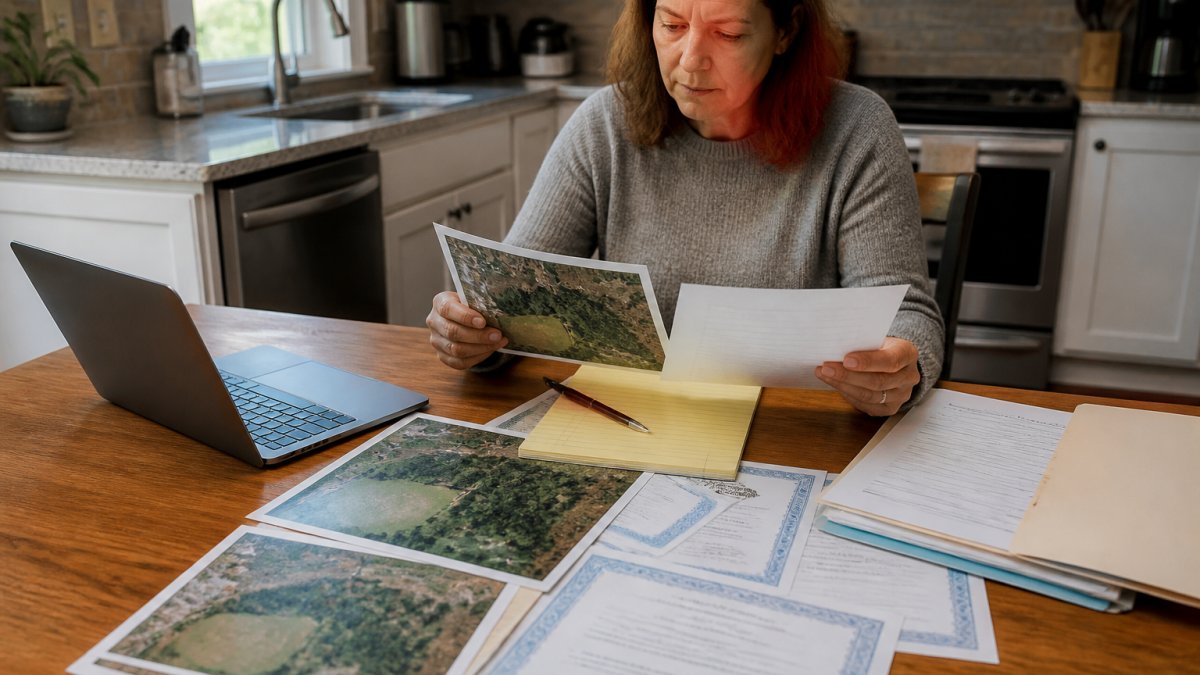
Before you call an agent, collect these documents:
- Property deed or title - Shows official acreage and legal description
- Survey map or plot plan - Defines property boundaries and shows structures
- Zoning certificate - Confirms your property's zoning classification
- Photos of the dwelling - Interior and exterior, showing condition and age
- Photos of outbuildings - Barns, sheds, fences, any structures
- List of structures - Square footage, year built, materials, condition
- Description of land use - Residential only, hobby farm, livestock, business, etc.
- Replacement cost estimate - What it would cost to rebuild your house today
- Inventory of farm equipment - If applicable, list what you own and approximate value
Having these ready before your first call cuts quote time in half. Agents can work faster and give you more accurate numbers.
Questions to Ask Your Insurance Agent
When you contact an agent, ask these questions:
- "Does your company insure five-acre properties in my zoning?" - Some carriers decline rural acreage outright.
- "What's the maximum acreage you'll cover under homeowners insurance?" - Get the threshold in writing.
- "If I need farm insurance instead, what activities trigger that requirement?" - Understand the boundary between homeowners and farm coverage.
- "How much other structures coverage do I get, and can I increase it?" - Standard limits often don't cover barns adequately.
- "Are farm equipment and livestock covered, or do I need separate endorsements?" - Clarify what's included and what's not.
- "Do you offer vacant land insurance if part of my property is undeveloped?" - Get pricing for that layer if needed.
- "What perils are covered, and what's excluded?" - Know what's protected and what isn't.
- "What's the deductible, and can I adjust it to lower my premium?" - Higher deductibles mean lower costs.
Write down the answers. Compare quotes from at least two carriers. Rural property insurance varies widely by company.
Common Coverage Gaps and Exclusions for Acreage
Even after you buy a policy, gaps exist. Knowing them now prevents surprises later.
Farm equipment is often excluded from homeowners policies and limited under farm policies.
Livestock may not be covered at all, even under farm policies. Some carriers exclude horses, cattle, or poultry.
Crop damage is typically excluded from standard policies.
Pond liability is sometimes excluded.
Business use voids coverage in many policies.
Vacant land is excluded from most homeowners policies. If part of your acreage is undeveloped, you need separate coverage.
Hired farm workers may not be covered under standard liability.
The key is transparency. Tell your agent exactly what you do on your property. What you use the land for.
Getting Started: Your Next Steps
Learning how to insure 5 acres in Michigan requires more planning than a standard homeowners policy, but it's manageable if you approach it systematically.
Start by understanding your property: acreage, zoning, and land use. Call your county zoning office. Get your deed and any survey maps.
Then decide which insurance type fits: homeowners, farm, or country estate. If you have any agricultural activity, livestock, or business use, you likely need farm insurance.
Gather the documents and information listed above. Call at least two insurance agents who work with rural properties. Ask the questions in this guide.
At Wayne Haney | Michigan Farm Bureau Family of Companies, we help Michigan residents navigate rural property insurance.
Frequently Asked Questions
Can homeowners insurance cover a home on five acres?
Standard homeowners insurance can cover a home on five acres, but coverage depends on how you use the land and what structures are on the property. If your five acres includes barns, outbuildings, or income-producing activities like a hobby farm or livestock, you may need farm insurance or specialized rural property coverage instead. Most standard homeowners policies have limits on how much they'll cover for other structures and may exclude certain agricultural uses. Your agent can review your specific property to determine whether homeowners insurance is sufficient or if you need farm or country estate coverage.
Do I need insurance on my vacant land?
Vacant land insurance protects you from liability claims if someone is injured on your property. If you own five acres with no structures or limited improvements, vacant land liability coverage becomes important, especially if the land is accessible to the public or neighbors. This coverage protects you if a trespasser or visitor is injured and files a claim against you. Without it, you could face significant out-of-pocket costs. If your land has a dwelling or you're actively using it for farming or residential purposes, a property policy with liability coverage is typically more appropriate than standalone vacant land insurance.
What insurance do I need for a small farm on five acres?
Farm insurance on five acres typically includes dwelling coverage for your home, other structures coverage for barns and outbuildings, personal property coverage for farm equipment, and liability protection. If you raise livestock, grow crops, or have income-producing activities, farm insurance is usually better than homeowners insurance because it's designed for agricultural risks. You may also want to consider crop insurance if you grow crops for income, and equipment coverage if you own tractors or other farm machinery. An agent familiar with farm properties can help you determine exactly what coverage your five-acre operation needs.
How does acreage affect my homeowners insurance eligibility and cost?
Acreage affects both eligibility and premium because it changes your property's risk profile. Five acres increases exposure to weather risks, fire danger, and liability exposure compared to a typical suburban lot. Insurance companies consider how much of your acreage is developed versus vacant, what structures exist, and how you use the land. If your five acres includes agricultural activities, livestock, or income-producing uses, standard homeowners insurance may not be available and farm or country estate insurance becomes necessary. The distance from fire protection, local building codes, and zoning classification also influence your rates and coverage options.
Protecting five acres requires the right insurance structure and the right agent. The process takes time, but it's time well spent. A solid coverage plan gives you peace of mind knowing that your property, your structures, and your liability exposure are actually protected. Contact Wayne Haney | Michigan Farm Bureau Family of Companies today to discuss your specific situation and get a personalized quote for your five-acre property.